
24/7 Emergency | Storm & Flood Response
Storm & Flood Emergency Help in Niagara
Severe storms can turn a quiet Niagara street into a disaster zone within an hour. Between July 21 and August 2, 2026, three 100-year rain events flooded thousands of homes in St. Catharines and across the region. When the next one hits, this page tells you what to do first and how to get a DKI – Miller Restoration crew on the way.
If water is rising, power is at risk, or you smell gas, get everyone out and call 911 first. For flooding, sewer backup, and roof or tree damage, call our 24/7 emergency line at 905-688-9224.
Your First Hour After a Storm or Flood
What you do in the first hour shapes the damage, your safety and your insurance claim. Do what is safe, then let professionals handle the rest.
Do not walk into a flooded basement if water could be touching outlets, the electrical panel or appliances. Floodwater and sewer backup carry bacteria and contaminants, so wear rubber boots and gloves, and keep children and pets away.
Once everyone is safe, start here:
Shut off power to wet areas only if you can reach the panel safely
Stop the water if you can: main shut-off, sump pump, downspouts
Photograph and video everything before you move or remove it
Call your insurer to open a claim and write down the claim number
Call DKI – Miller at 905-688-9224 for 24/7 emergency mitigation
What Our Emergency Storm Crews Do
Water Extraction & Sewage Cleanup
Truck-mounted extractors and pumps remove standing water and sewage. Contaminated materials are removed and the area is cleaned and disinfected before drying begins.
Tarping, Board-Up & Tree Damage
Roofs, windows and walls opened by wind, hail or fallen trees are tarped and boarded on the same visit to keep more water out and secure the property.
Structural Drying & Moisture Mapping
Dehumidifiers and air movers are set up as a system and checked daily against moisture readings, so walls, floors and framing are verified dry, not guessed.
Mould Prevention & Rebuild
Antimicrobial treatment and HEPA air scrubbing limit mould after a flood, and our reconstruction team rebuilds drywall, flooring and finishes once the structure is dry.
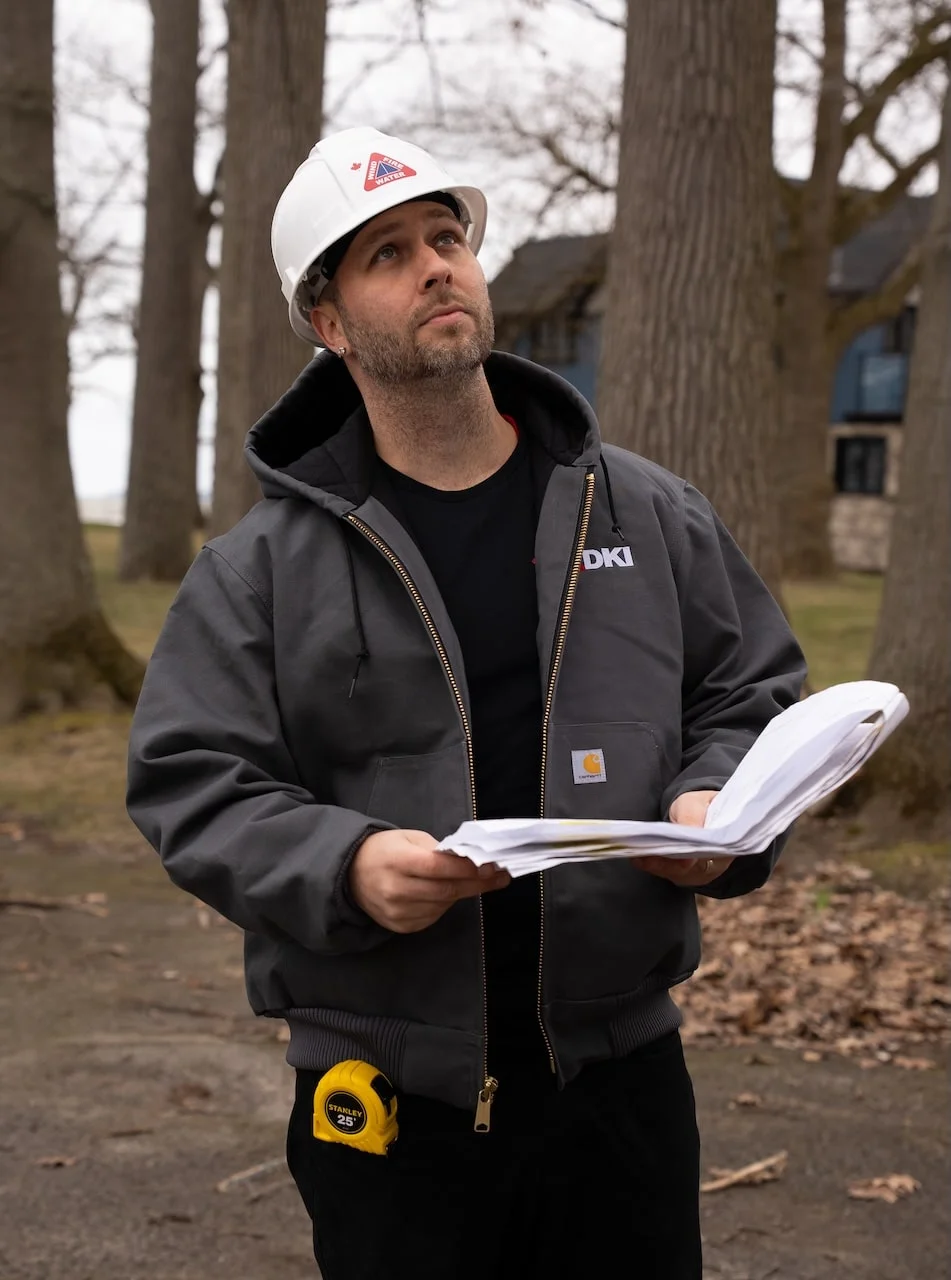
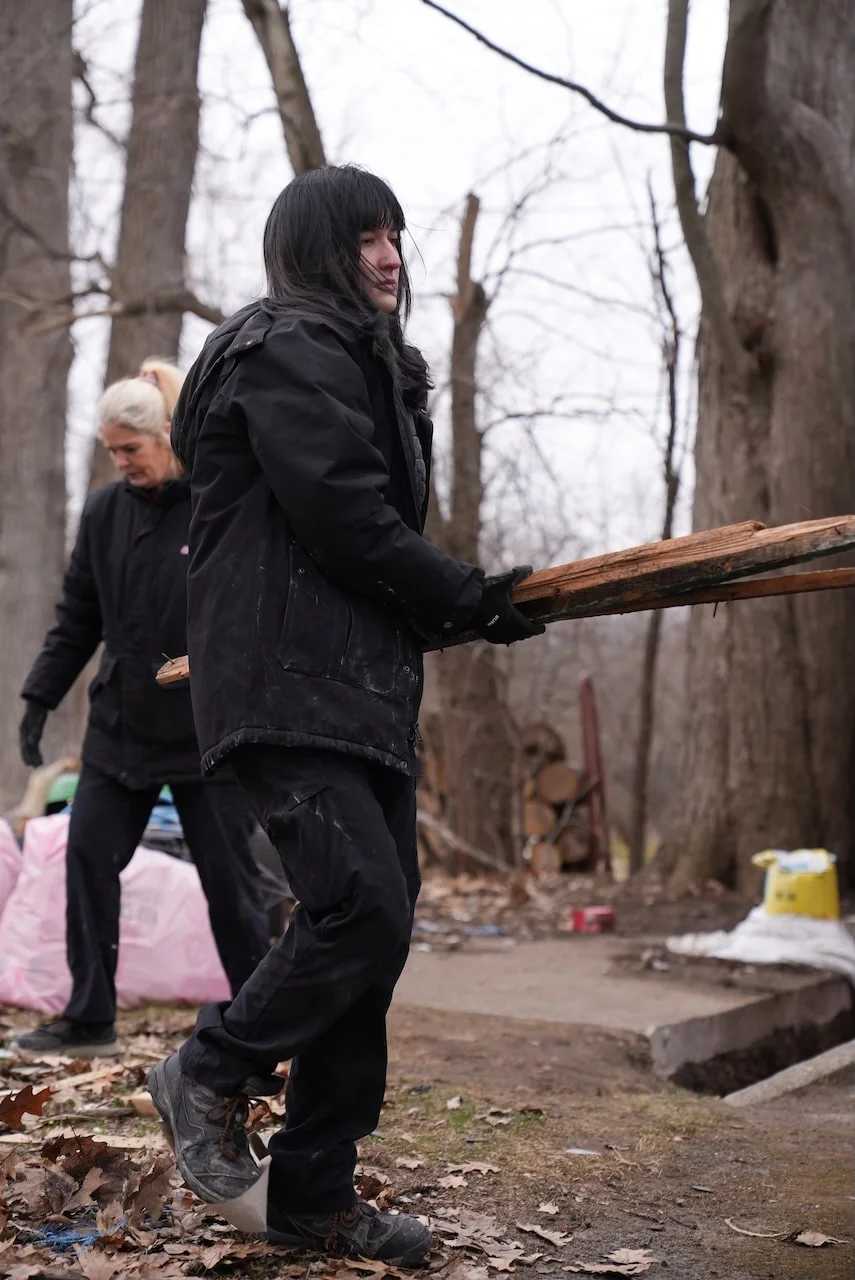
When Every Crew in Niagara Is Busy: How We Triage
In a regional storm, thousands of calls can come in at once. We watch Environment Canada warnings and Niagara Peninsula Conservation Authority flood messages so equipment is staged before the calls start. When demand peaks, we prioritize by severity: sewage in living space, water near electrical, vulnerable occupants, and open roofs or structural damage come first. If a crew cannot reach you right away, we tell you what to do in the meantime to limit the damage.
DKI – Miller Restoration answers its emergency line 24/7, 365 days a year. Every storm crew arrives ready to:
Make the property safe and keep more water out
Extract water, sewage and storm debris
Dry and disinfect to documented targets
Document the loss and rebuild what was damaged
Storm Response Across the Niagara Region
Our crews cover St. Catharines, Niagara Falls, Welland, Thorold, Niagara-on-the-Lake, Lincoln, Grimsby, Fonthill and Pelham, Fort Erie, Port Colborne, Wainfleet, Dunnville and Allanburg from our base on Dunkirk Road in St. Catharines. Find local help for flooding in St. Catharines, flood cleanup in Niagara Falls, and storm damage repair anywhere in Niagara.
Once the water is out, read our guide to hidden mould after the July 2026 floods. Our line is answered 24/7, and reporting a claim online takes just a few minutes.
Insurance After a Storm
Sewer backup, overland flooding, and wind and roof damage are often covered differently on Ontario home policies. Call your insurer early, keep every receipt, and photograph damage before anything is removed.
We document every storm loss with dated photos, moisture logs and a line-item scope, and work directly with your adjuster so your claim keeps moving.
Storm & Flood Emergencies – What Niagara Homeowners Ask
Should I start cleaning up before you arrive?
Only what is safe and quick: move valuables and electronics out of the water, lift furniture onto blocks, and open interior doors. Do not pull up flooring or cut drywall before it is photographed, and stay out of sewage-contaminated water.
Is sewer backup the same as overland flooding for insurance?
No. On most Ontario home policies they are separate optional coverages. Sewer backup is water coming up through floor drains and plumbing; overland flooding is surface water coming in from outside. Tell your insurer exactly what happened, and we will document where the water came from. More on sewer backup and sewage cleanup.
How long does it take to dry a flooded basement?
Extraction and cleanup usually take a day or two, and structural drying runs roughly three to seven days depending on the materials and how long the water sat. We take moisture readings every day until everything reaches its drying target.
Can you tarp my roof or board up windows at night?
Yes. Emergency tarping and board-up are available 24/7 to keep more water out and secure the property until permanent repairs are made.
How can I protect my basement before the next storm?
Extend downspouts away from the foundation, test your sump pump and add a battery backup, and keep basement items in sealed bins off the floor. In St. Catharines, the city’s Emergency Flood Alleviation Program can cover most of the cost of a backwater valve or weeping tile disconnection; check the city’s website for current eligibility.
Have An Emergency?
Call Us Right Away
Emergency Line
(905) 688-9224