
Services | Sewer Backup & Sewage Cleanup
Sewer Backup & Sewage Cleanup in Niagara
When sewage comes up through a floor drain, basement toilet or shower, it is a health hazard, not just water damage. Under the IICRC S500 standard, sewer backup is Category 3 water: it can carry bacteria, viruses and other contaminants, and everything porous it touches has to be handled differently from a clean-water leak.
DKI – Miller Restoration responds 24/7 across St. Catharines and the Niagara Region to extract sewage, remove contaminated materials safely, clean, disinfect and dry the structure, and rebuild, with the documentation your insurer needs.
Safe, Certified Sewage Cleanup Across Niagara
The storms of July 21 to August 2, 2026 pushed sewage into thousands of Niagara basements when sanitary and storm sewers were overwhelmed. Backups also happen on dry days: tree roots in older clay laterals, grease and wipes blocking the main drain, collapsed pipes, and failed sump or ejector pumps.
Every sewage loss is handled by IICRC-certified technicians to the S500 standard for Category 3 water: protective equipment, containment, removal of contaminated porous materials, cleaning and disinfection of every affected surface, and drying verified with moisture readings. For clean-water leaks and overland flooding, see our water and flood damage restoration.
Sewer backups in Niagara homes usually start with:
Heavy rain overwhelming municipal sewers
Tree roots and collapsed clay pipes in older laterals
Grease, wipes and debris blocking the main drain
Failed sump, sewage ejector or backwater valves
Floor drains and basement toilets with no backflow protection
What Our Sewage Cleanup Crews Deliver
Extraction & Removal of Contaminated Materials
Sewage and contaminated water are pumped and extracted, then drywall, insulation, carpet, underpad and other porous materials it touched are removed and bagged for disposal, not dried in place.
Cleaning, Disinfection & Deodorization
Floors, framing, concrete and salvageable contents are cleaned and treated with disinfectants and antimicrobials, and odours are removed at the source instead of being masked.
Containment & HEPA Air Scrubbing
Affected areas are sealed off and HEPA air scrubbers run during the work, so contaminants and odours do not spread to the rest of the home.
Structural Drying & Rebuild
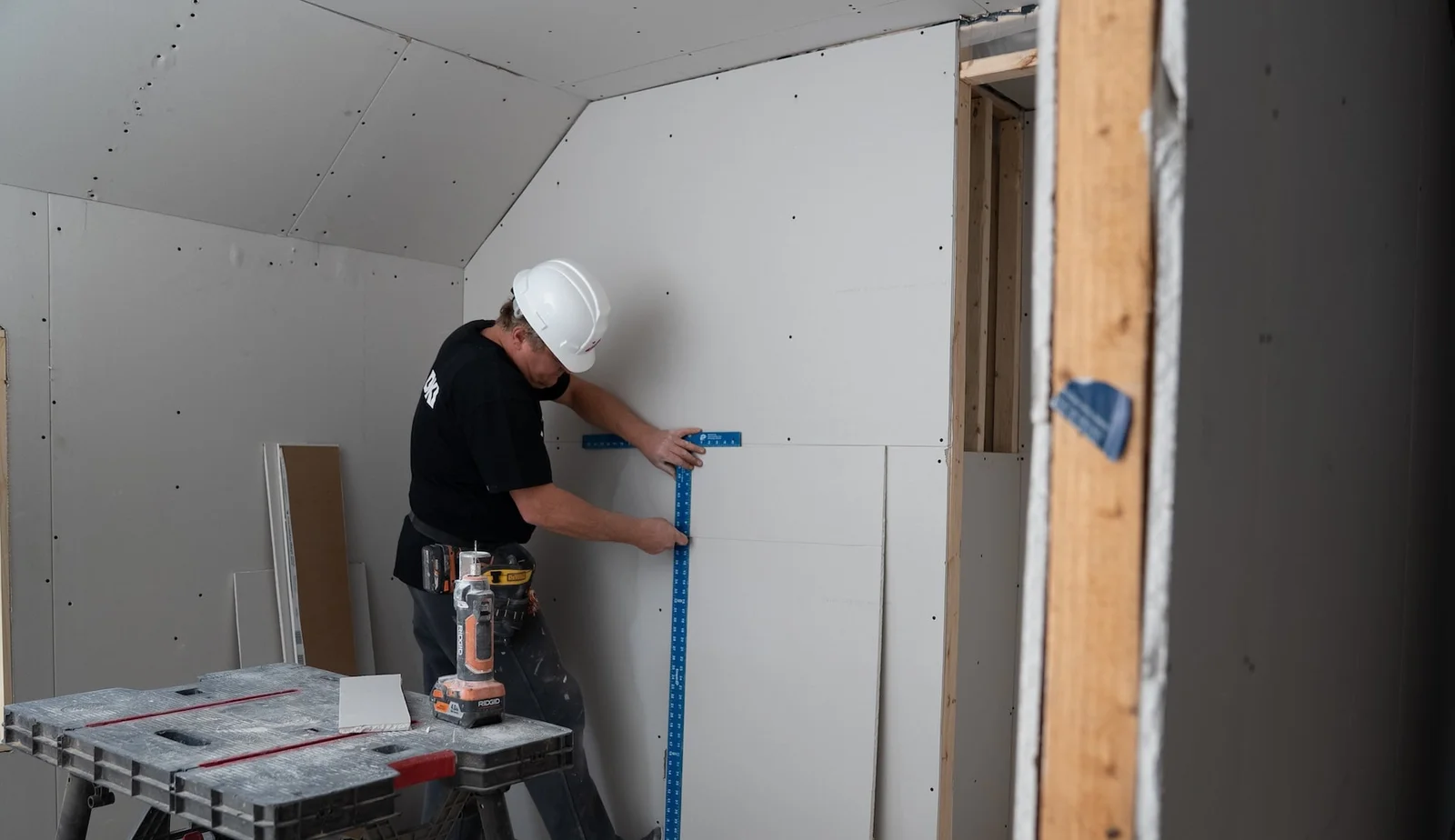
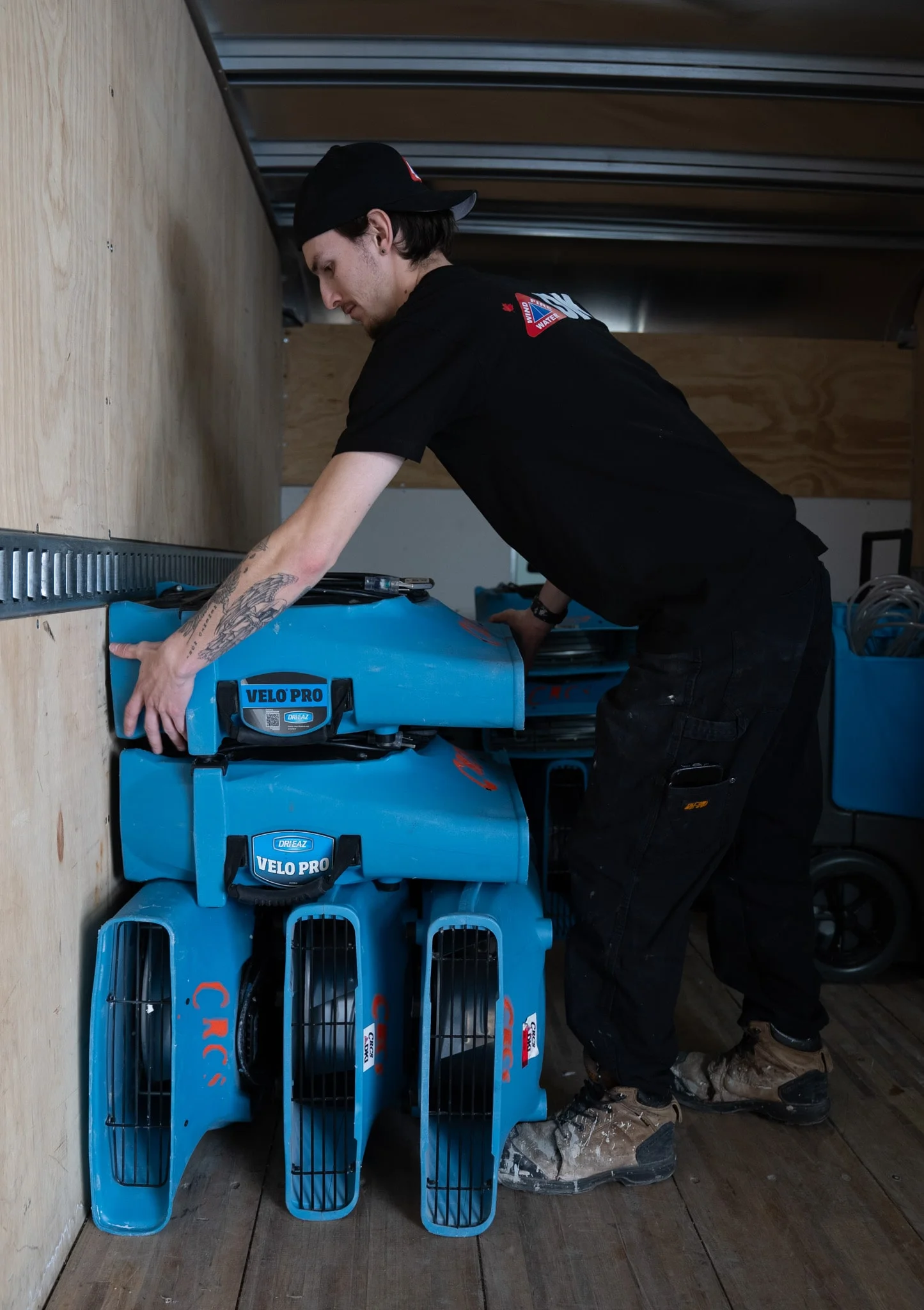
Commercial dehumidifiers and air movers dry the structure to documented moisture targets before our reconstruction team replaces drywall, flooring and finishes.
When Sewage Backs Up: Our 24/7 Response
Sewage spreads contamination every hour it sits, and it gives mould a head start. Our line is answered by a person 24/7, crews leave our St. Catharines base as soon as you call, and while they are on the way we walk you through keeping your family safe. During regional storms we triage by severity, so sewage in living spaces and homes with vulnerable occupants are reached first.
DKI – Miller Restoration runs 24/7 sewage cleanup across Niagara. Every crew arrives ready to:
Make the area safe and stop the spread
Extract sewage and remove contaminated materials
Clean, disinfect and dry to documented targets
Document the loss and rebuild what was removed
Sewage Cleanup Across the Niagara Region
We clean up sewer backups in St. Catharines, Niagara Falls, Welland, Thorold, Niagara-on-the-Lake, Lincoln, Grimsby, Fonthill and Pelham, Fort Erie, Port Colborne, Wainfleet, Dunnville and Allanburg, in houses, condos, rental units and commercial buildings. Local help: water damage in St. Catharines and flood cleanup in Niagara Falls.
Once the basement is clean and dry, check it again in a few weeks: hidden moisture can still grow mould. Our guide to hidden mould after the 2026 floods covers what to look for. Our line is answered 24/7, and reporting a claim online takes just a few minutes.
Sewer Backup Insurance in Ontario
Sewer backup is usually an optional add-on to an Ontario home policy, separate from overland flood coverage. Call your insurer or broker early, and photograph the damage before anything is removed.
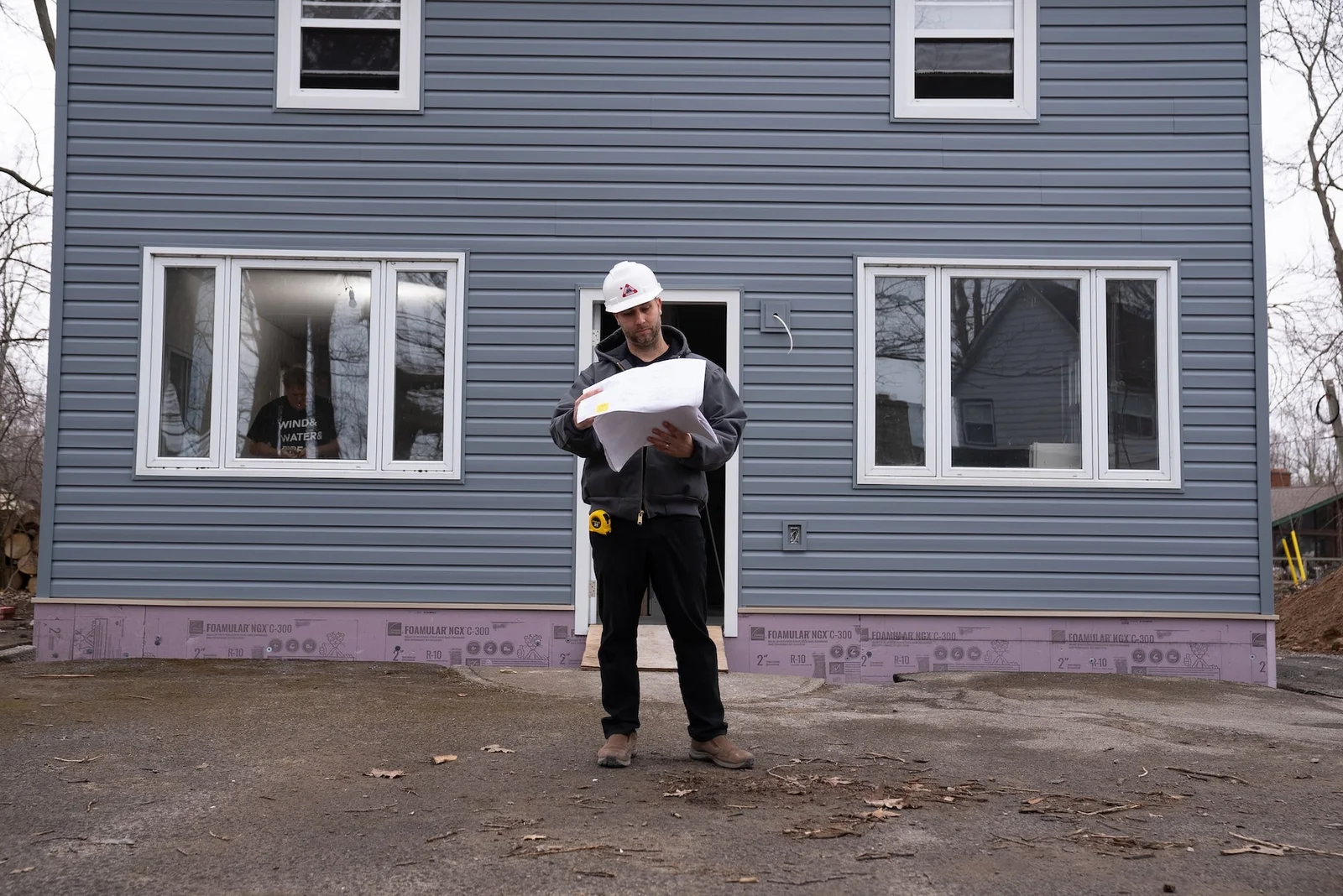
We document every sewage loss with the source of the water, dated photos, moisture logs and a line-item scope, and work directly with your adjuster so your claim keeps moving.
Sewer Backup – What Niagara Homeowners Ask
Is a sewage backup dangerous?
Yes. Sewage is Category 3 water and can carry bacteria, viruses and parasites. Keep children, pets and anyone with a weakened immune system away from the area, avoid touching the water or soaked items, and do not run fans or the furnace blower over a sewage spill until it has been cleaned up.
Can I clean up a sewer backup myself?
A very small backup on a hard, sealed floor can sometimes be cleaned with gloves, boots, eye protection and disinfectant. If sewage reached drywall, carpet, insulation or wood, or covers more than a small area, call professionals: porous materials that touched sewage need to be removed, and proper cleanup protects both your health and your insurance claim.
Does home insurance cover sewer backup in Ontario?
Only if your policy includes sewer backup coverage, which is usually an optional add-on. Overland flooding, meaning surface water coming in from outside, is a separate coverage. Tell your insurer exactly how the water got in, and we will document the source.
What has to be thrown out after a sewage backup?
Porous items that touched sewage, such as carpet, underpad, drywall, insulation, mattresses, upholstered furniture and cardboard, usually cannot be safely cleaned and are removed. Hard items such as metal, glass and some sealed wood can often be cleaned and disinfected. Photograph everything before it goes, for your claim.
How long does sewage cleanup take?
Extraction, removal of contaminated materials and disinfection usually take one to two days, followed by roughly three to seven days of structural drying, depending on the materials and how long the sewage sat. Rebuilding follows on a written schedule agreed with you and your insurer.
How can I stop sewage backing up again?
A mainline backwater valve, disconnecting weeping tiles from the sanitary sewer, keeping grease and wipes out of drains, and having older laterals camera-inspected for roots all reduce the risk. In St. Catharines, the city’s Emergency Flood Alleviation Program can cover most of the cost of a backwater valve or weeping tile disconnection; check the city’s website for current eligibility.
Have An Emergency?
Call Us Right Away
Emergency Line
(905) 688-9224